Operations, Supply Chain, and Workflow Design
A read-only tool that had become the way the lab actually worked.
Process optimization entails finding a balance between efficiency and resilience to interruptions or shocks outside of a firm’s control. The system by which components and process come together clearly hold a place of primacy. Insight into an entire supply chain demands identifying weakness and moments in the process that a process manager can reasonably outsource to an external vendor (or ideally vendors, for the sake of resilience and risk management). Even the most basic products have components, procurement processes, timelines, and inventories, all of which demand careful management.
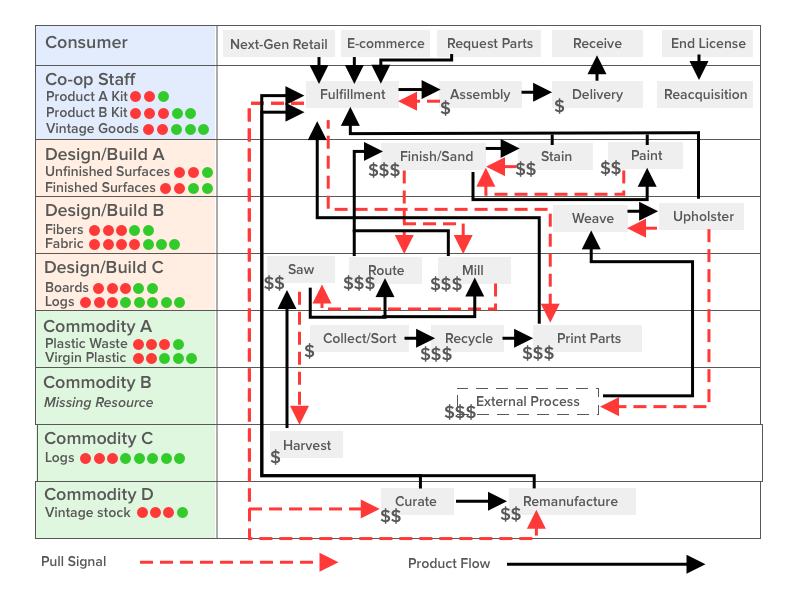
The human element of the operations process demands even more careful management, and not only because labor often makes up a considerable amount of the final cost. Project management and people operations couples closely with the material transformation process, and marrying these into siongle oversight mechanisms or tools provides a better basis for assessing uncertainty and informed decision making.
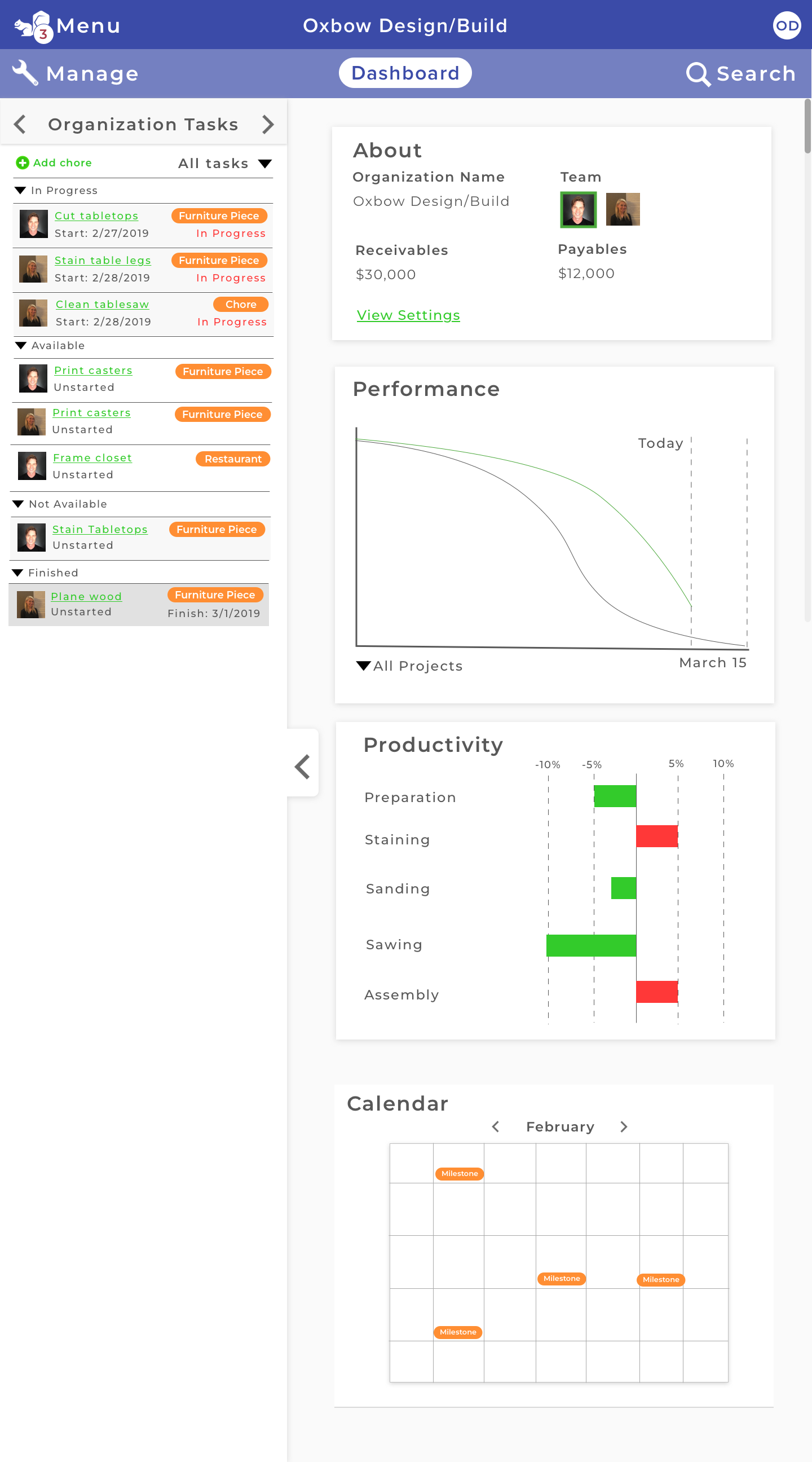
Fair remuneration of great ideas and design for independent creators and scaling manufacture beyond single pieces in the workshop has taken up a great deal of my attention and interest, specifically furniture and interiors. I often feel that software companies reserve the best software for large firms to save pennies, and small businesses live or die by such savings. Consequently much of my work has centered around supporting independent workshops and creators and helping them thrive.
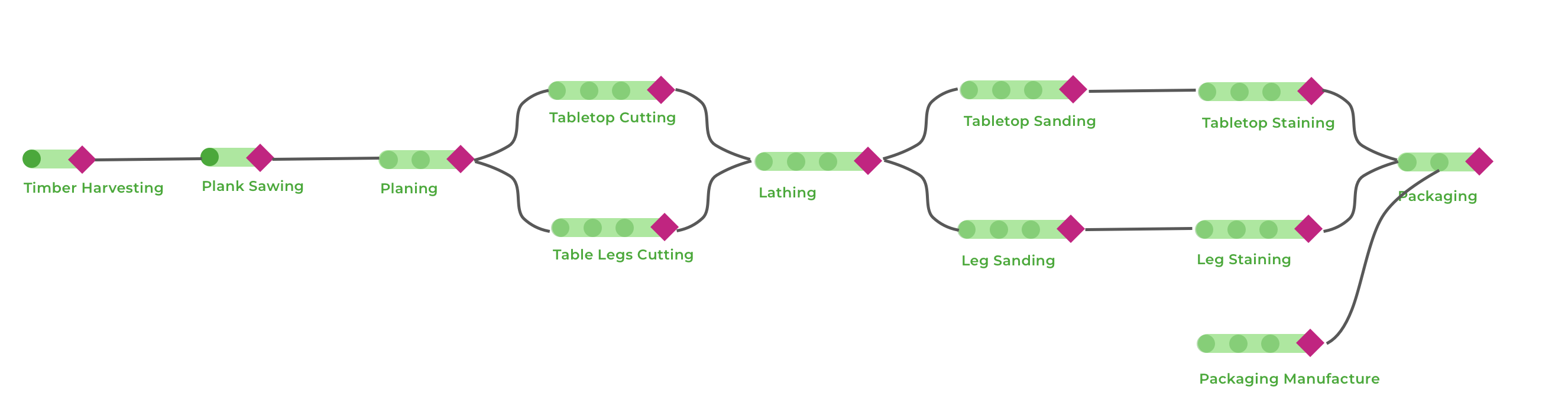
Small is beautiful, and a business shouldn’t feel the constant pressure to grow constantly in order to survive and flourish….finding efficiencies on existing business and profiting more from the revenue one has is a different story.
Plates