Rigorous process and thoughtful design strategy provides a foundation for well thought out solution creation and products that customers value.
I believe every touchpoint with a brand or organization represents an opportunity to solve a problem, build trust, or earn respect. As such, my design practice centers on systems and journeys, rather than just attention capture or engagement in isolation.
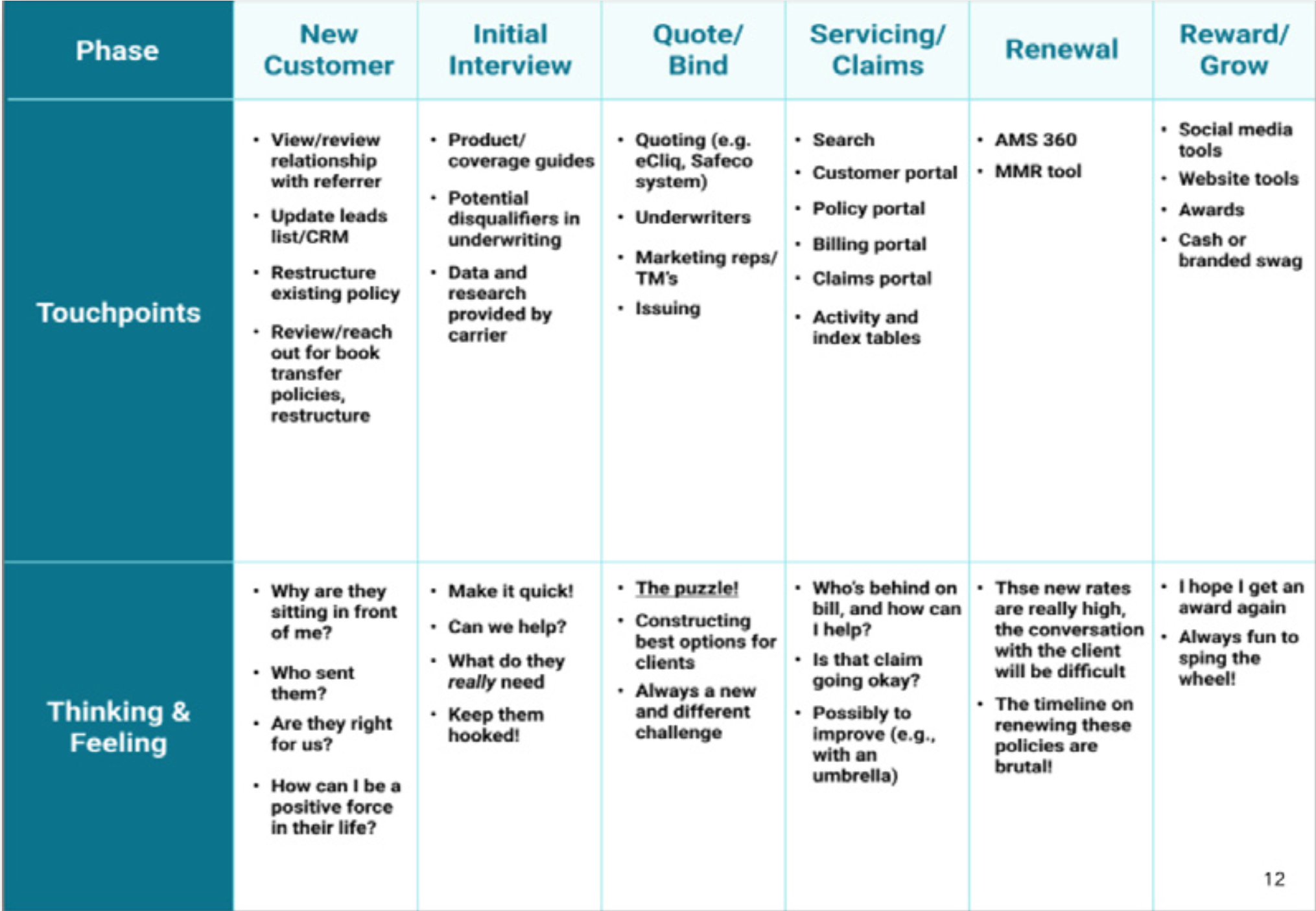
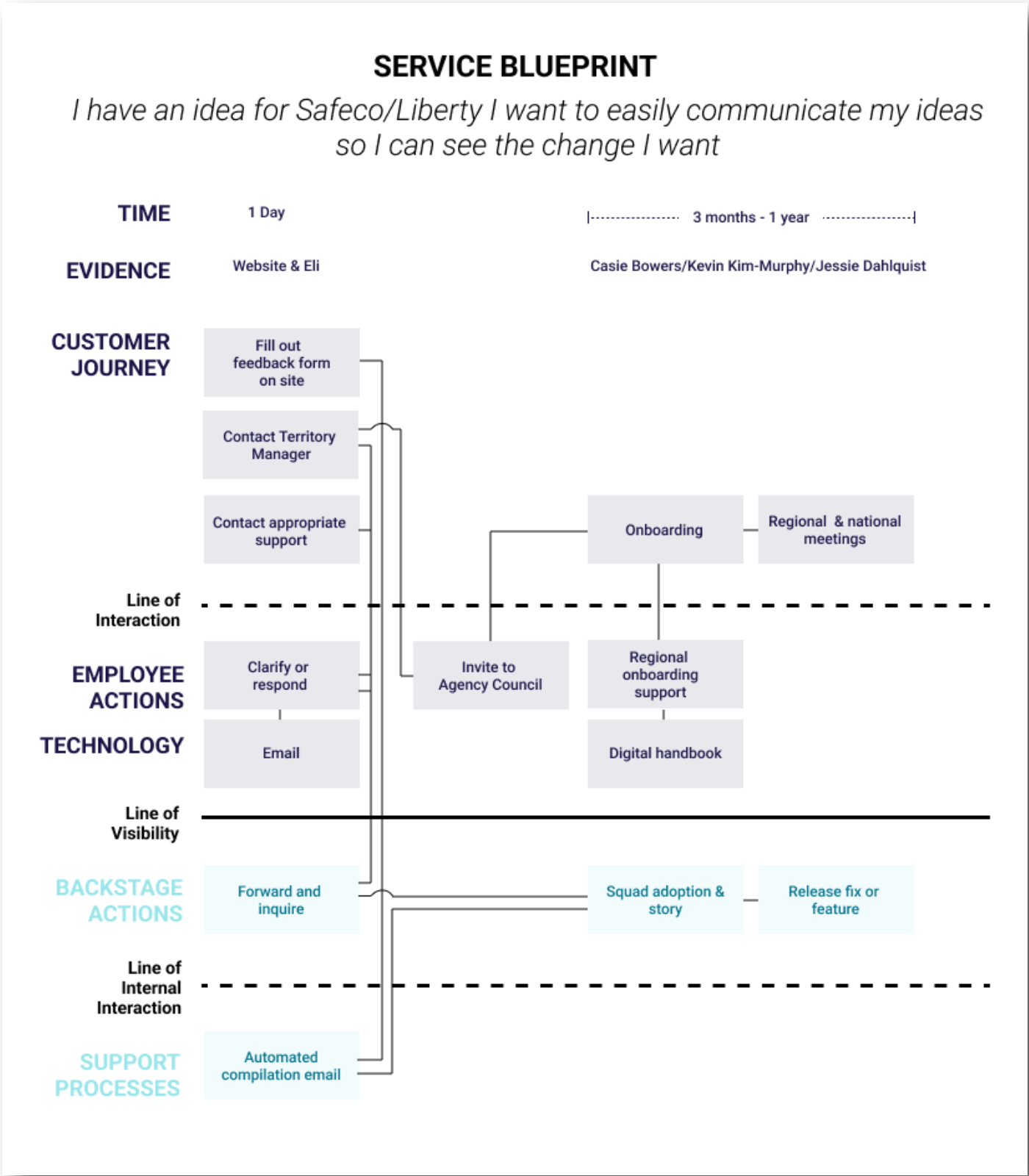
Fig. 1. Identifcation of touchpoints and personae. Not only do many different touchpoints exist, amyn different people may interact with the brand or tool during the journey. Design strategy must take Each of these inviduals' state of mind, problme, or goal into account at each relevant moment.Fig. 2. A quasi-swimlane visualization showing customer interactions and behind-the-scenes processes that supported them. This corresponded to an individual user story, or statement (seen at top) that needed a feature or process to make it happen.
True service design demands rigorous practice and process. True product design feels highly experimental: deep research into problems and informed hypotheticals reveal possibilities, patterns, and priorities. Decision points become journeys and orbit critical interactions.
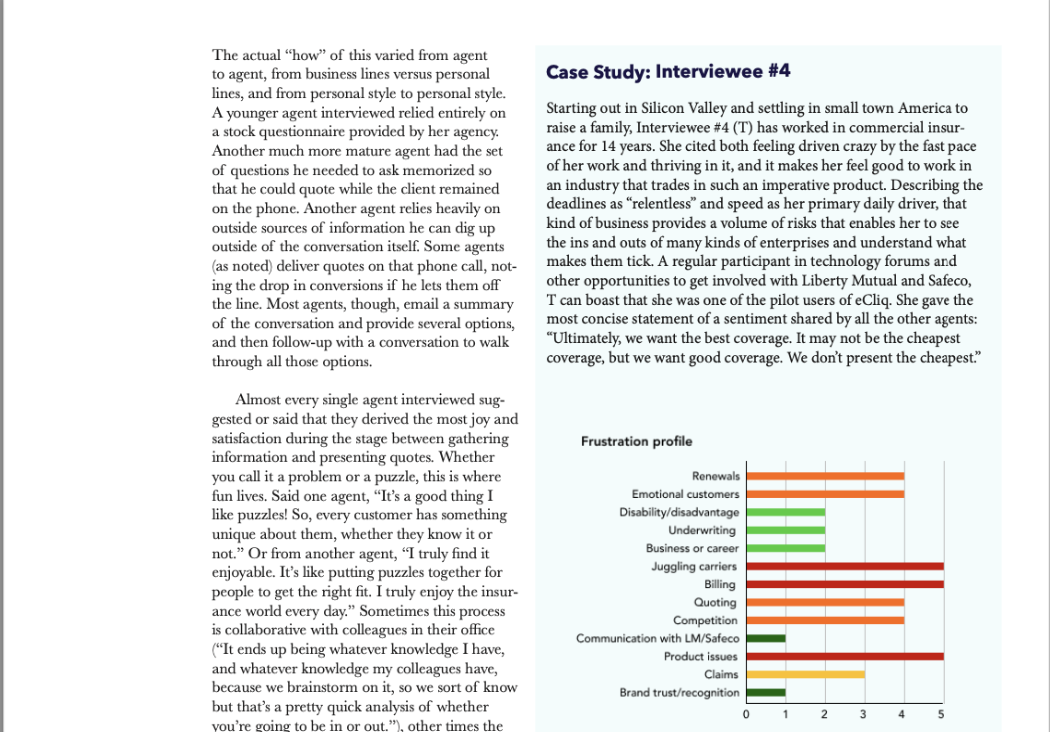
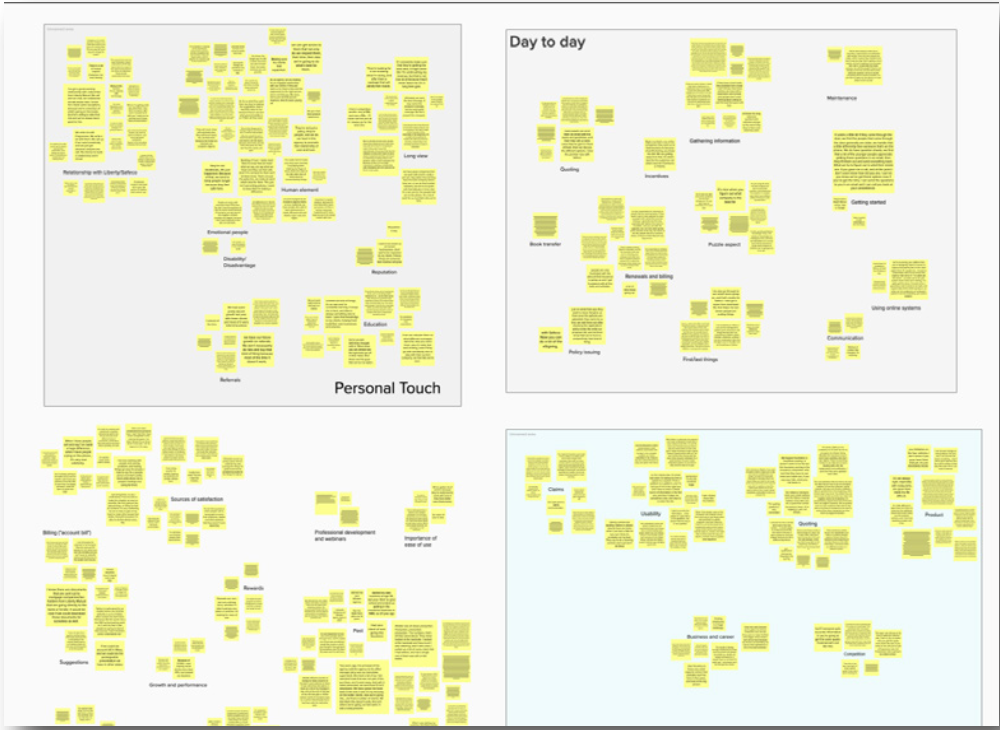
Fig. 3. A page from a design research document, fully outlining a process's key takeaways, and user priorities in the form of case studies. The document demonstrates that great design doesn't just suit the customer, but treats stakeholders in the process as users as well, and as such deserve great design and thoughtful communication.Fig. 4. Many, many ideas emerge through research and interaction with users. I favor affinity mapping as a way of allowing for emergent pattern and sense making.
I place particular emphasis on very rapid prototyping and estimation, operating under the belief that any problem has many potential solutions, and rarely does any single one of those solutions solve the problem entirely. Initially the best I can only hope to narrow down the field and see what sticks. I save time and resources and home in on true viability by front loading the process.
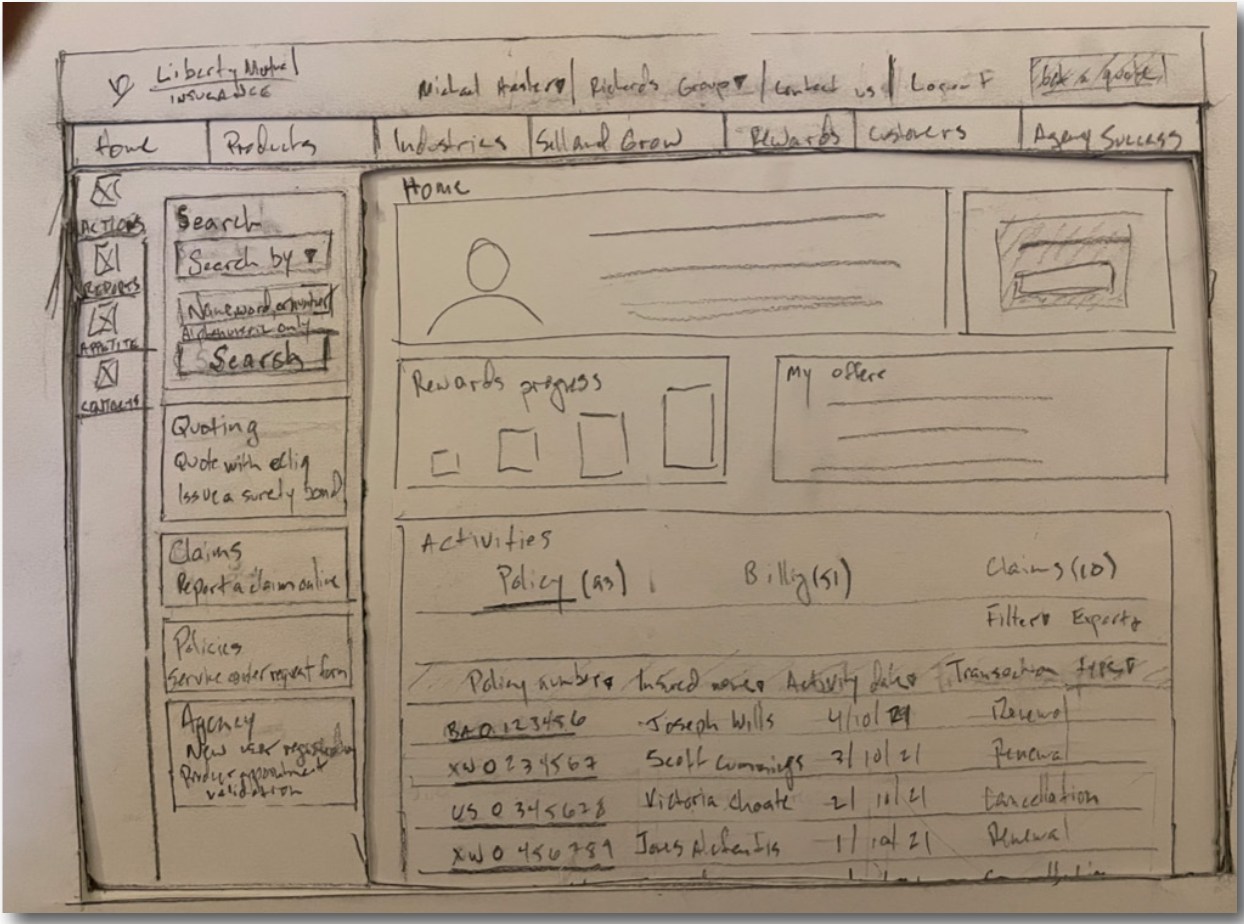
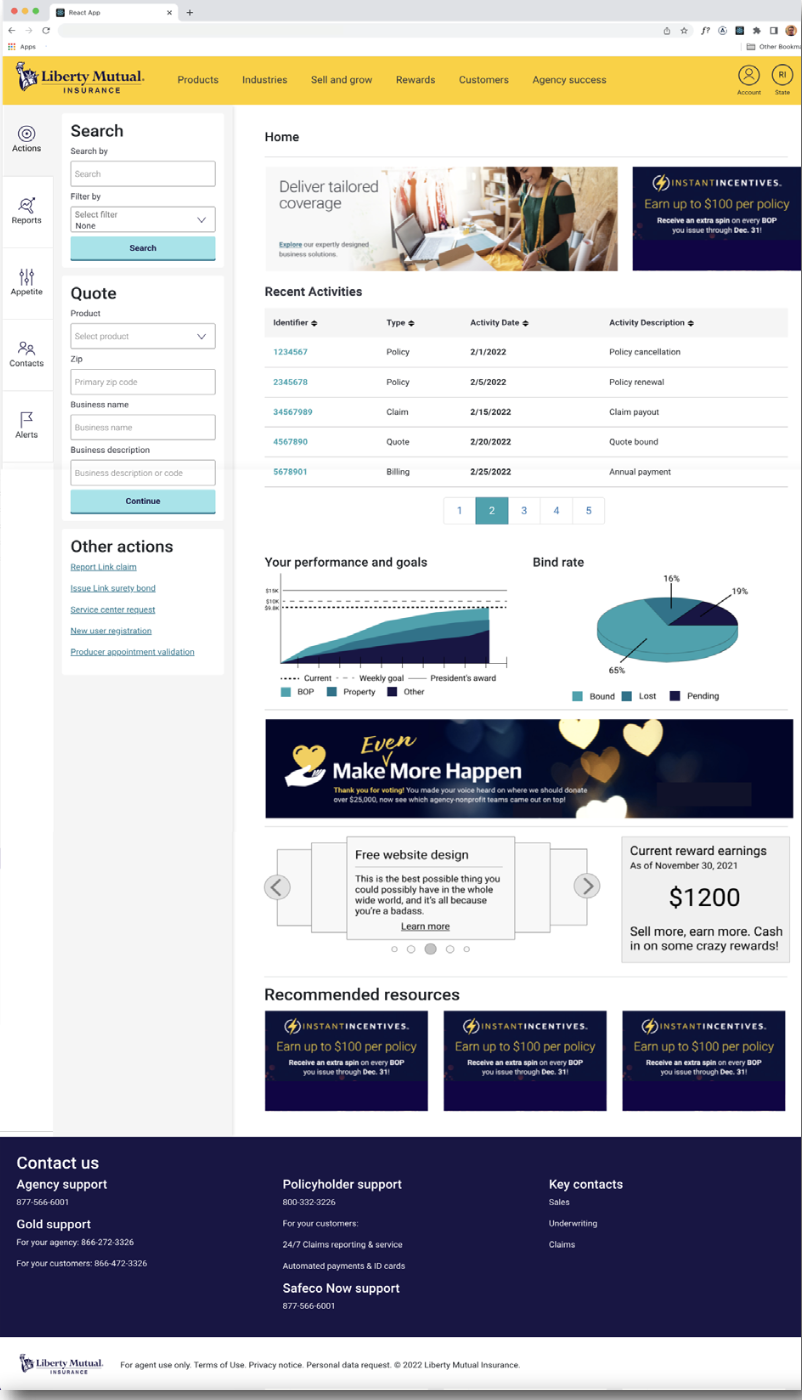
Fig. 5. I prefer tactile and analog tools during my prototyping that I can readily throw out and redo. This wireframe sketch of an interface encompassed several layers of thick stock paper so that I could dispose of one aspect without having to redo the rest. This allowed for a click-through type simulation and fast prototyping without requiring digital tools that may have demanded more effort.Fig. 6. The high-resolution prototype that resulted from the low-resolution hand sketch in figure 5. Both prototypes received user testing of different types to validate approaches and uncover complications or considerations not previously considered.
In a commercial and product setting, one cannot settle for buzzwords or academic exploration, but communicate and coordinate process and hand off tasks with clear instructions and documented reasoning.
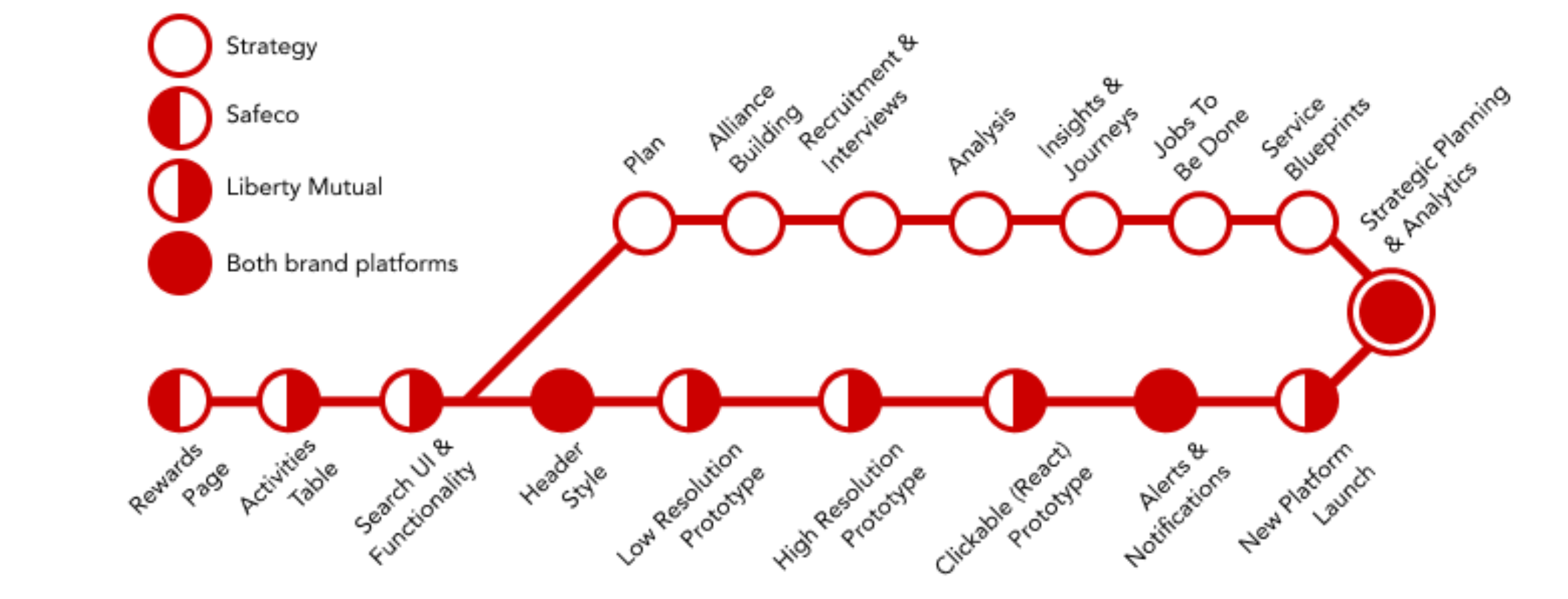
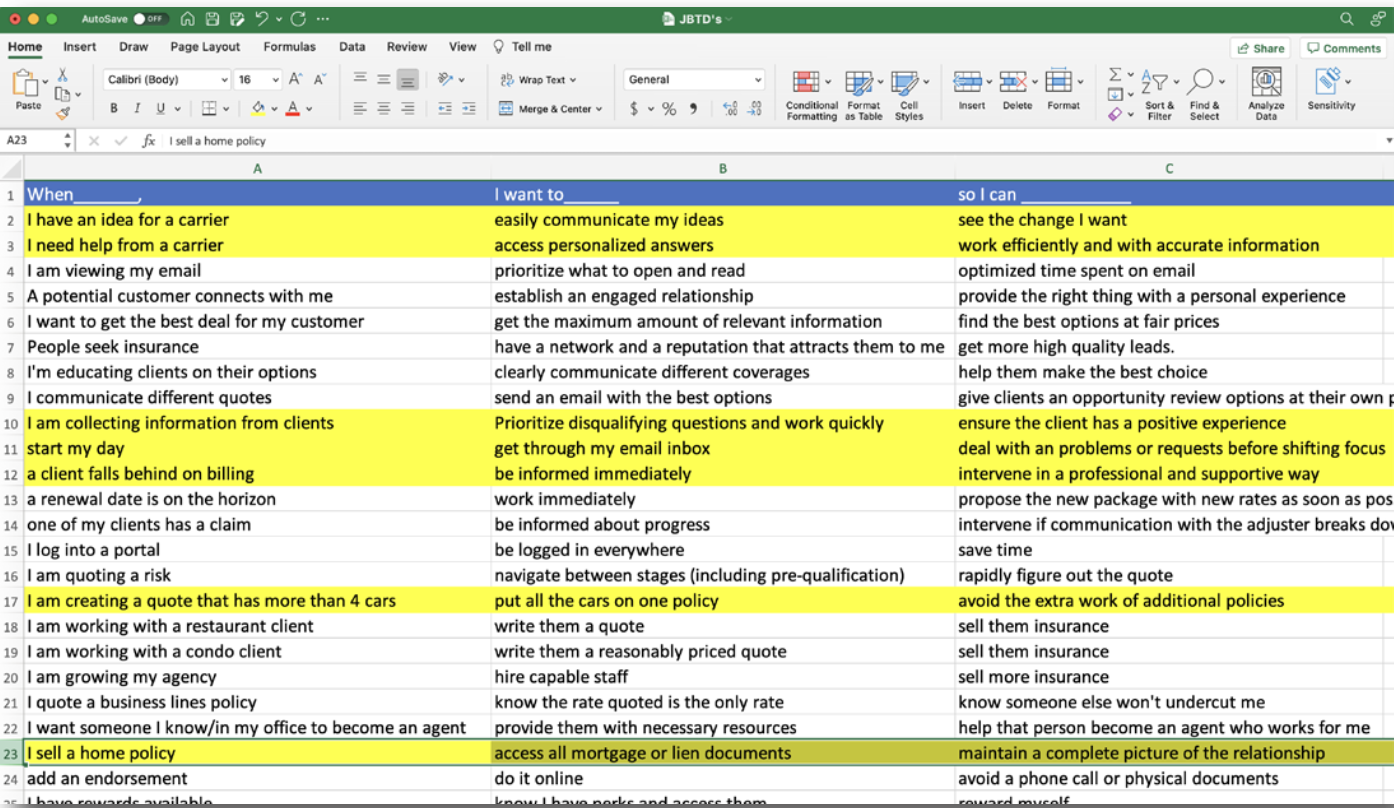
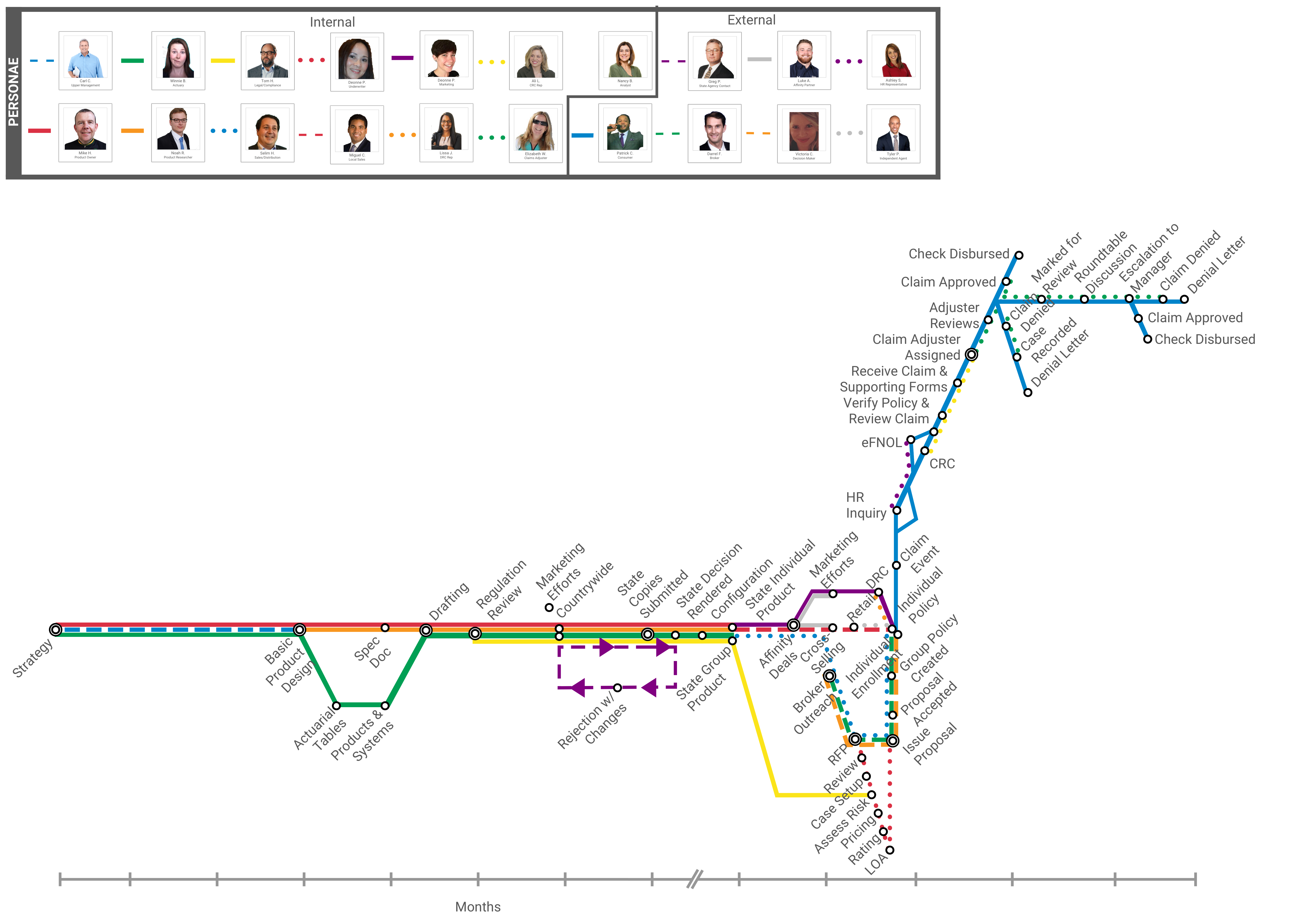
Fig. 7. A design strategy communicated clearly for reference by all process stakeholders. Many individuals with varied competencies and perspectives enter and exit the process at various times, and an illustration like this provides and invaluable overview.Fig. 8. A jobs to be done spreadsheet. Generally speaking, this corresponded to each "post-it note" on the affinity map in figure 4. It allowed for organization by persona, the task or goal the feature would complete, the business case or priority for the team, and impact versus effort considerations.Fig. 9. An extremely detailed subway map visualization ensured that all stakeholders' interactions and roles in the process had visibility to other team members.
Plates
Fig. 1. Identifcation of touchpoints and personae. Not only do many different touchpoints exist, amyn different people may interact with the brand or tool during the journey. Design strategy must take Each of these inviduals' state of mind, problme, or goal into account at each relevant moment.Fig. 2. A quasi-swimlane visualization showing customer interactions and behind-the-scenes processes that supported them. This corresponded to an individual user story, or statement (seen at top) that needed a feature or process to make it happen.Fig. 3. A page from a design research document, fully outlining a process's key takeaways, and user priorities in the form of case studies. The document demonstrates that great design doesn't just suit the customer, but treats stakeholders in the process as users as well, and as such deserve great design and thoughtful communication.Fig. 4. Many, many ideas emerge through research and interaction with users. I favor affinity mapping as a way of allowing for emergent pattern and sense making.Fig. 5. I prefer tactile and analog tools during my prototyping that I can readily throw out and redo. This wireframe sketch of an interface encompassed several layers of thick stock paper so that I could dispose of one aspect without having to redo the rest. This allowed for a click-through type simulation and fast prototyping without requiring digital tools that may have demanded more effort.Fig. 6. The high-resolution prototype that resulted from the low-resolution hand sketch in figure 5. Both prototypes received user testing of different types to validate approaches and uncover complications or considerations not previously considered.Fig. 7. A design strategy communicated clearly for reference by all process stakeholders. Many individuals with varied competencies and perspectives enter and exit the process at various times, and an illustration like this provides and invaluable overview.Fig. 8. A jobs to be done spreadsheet. Generally speaking, this corresponded to each "post-it note" on the affinity map in figure 4. It allowed for organization by persona, the task or goal the feature would complete, the business case or priority for the team, and impact versus effort considerations.Fig. 9. An extremely detailed subway map visualization ensured that all stakeholders' interactions and roles in the process had visibility to other team members.