Human-Technology Interaction
Interfaces and installations to bring information and experience to life.
Exploring the boundaries of how humans can interact with technology, information, or media straddles the line between practical need and an almost artistic exploration. My first forays with technology and design started with physical installations, embedded technologies, and visualization, and these remain sources of inspiration today.
Beginning at an art studio in Buenos Aires, Argentina, I began to learn how to turn physical structure or movement into new outputs imbued with wonder or play. As an early adopter of microcontrollers and rapid prototyping platforms like the Arduino, I constructed physical circuits with sensors and standard circuitry, fed those signals through computational processes in various languages, and provided outputs like projections or even information transmitted to the other side of the world. I later learned circuit board design and bitwise programming to take prototypes from Arduino and a breadboard and create replicable hardware at scale.
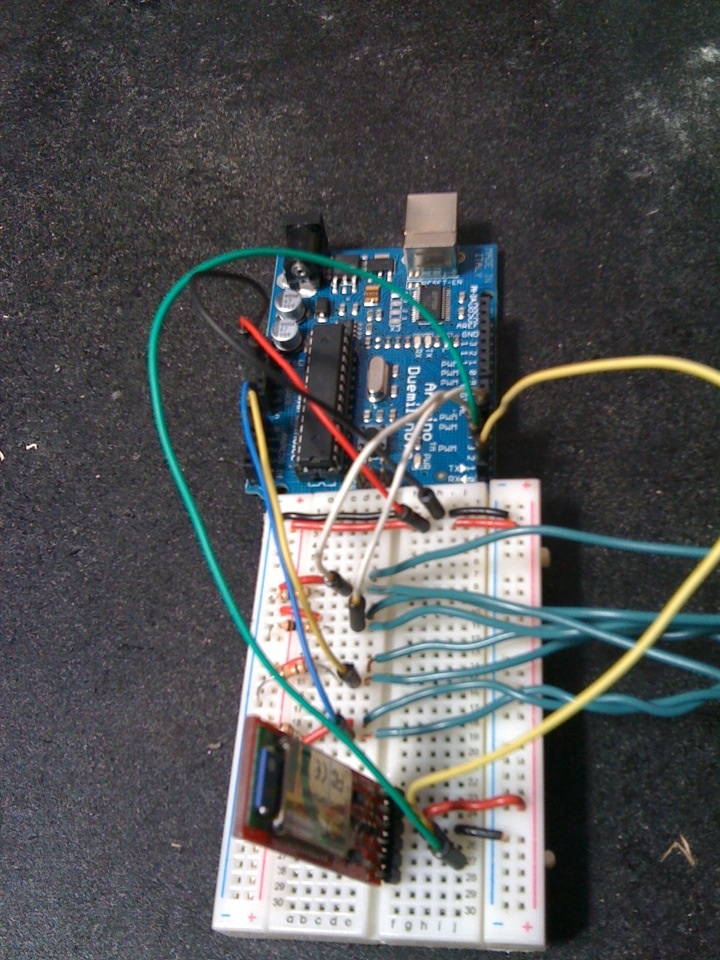
I feel most confident about material when I can teach it and communicate it. I also felt indebted to the workshop in Buenos Aires for taking me in and giving me a chance. So I wrote a guide on embedded circuits and physical computing that included everything I knew. It was also my first websit, and it was written entirely in Spanish. To this day there are circuitry components I can’t remember the word for in English.
I would later take some of these techniques to more professional contexts. I’ve used Javascript extensively as a tool for fast and well engineered interactive layers on content and simulations.
I’ve enjoyed adding animations and scroll elements to marketing websites or demonstrations when bandwidth allows and always with subtlety.
Consideration of the user or audience along with the information one wants to share engenders emergent design, rather than a one-size-fits-all solution. I continue to work with new modes of communication and interaction for commerical, scientific, rhetorical, and artistic pursuits.
Plates