Design Systems and Branding
Ensuring empathy and trust outside of and within an organization at every touchpoint through brands and design systems. (restaurants knock this out of the park)
Brand engagement and design entails the cultivation of an empathy. Brand should frame a pain point the organization can help to solve or an experience desired and provided. Most importantly, brand should tie into and derive from an underlying system that reflects these ambitions. Have a personality, make a statement, challenge expectations, and demonstrate sophistication, but not at the expense of engaging the user, customer, or guest on their terms. And while some new feature or technology might “get the job done”, one must never overlook the importance of trust as communicated by brand.
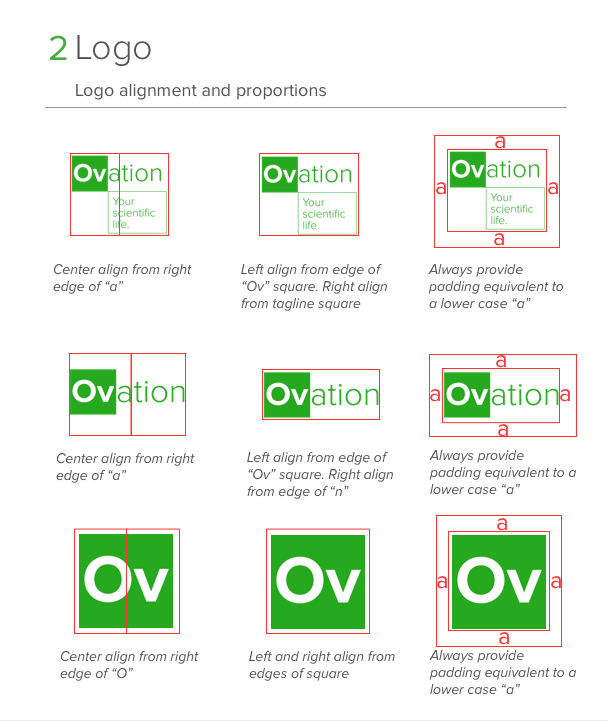
We experience effective branding constantly, although we often overlook it as a source of great inspiration: restaurants. Hear the buzz about a place or read a review, do they advertise, or even have to? The best places actively limit how many customers they can have at any given time in order to ensure consistent quality, and the exclusivity only adds to the desirability. From the preparation, to the service, to the environment, restaurateurs take brand experience to heights far beyond even the most expertly marketed tech-forward businesses. Most importantly, and often overlooked, restaurants (and their reviewers) demand precision and replicability: plate after plate, table after table, guest after guest, day in and day out. A design system easily communicated to and delivered by any employee without strict oversight tests and demonstrates a brand’s strength. I wrote about this at length here, with specific reference to the coffeehouse I co-owned in my 20s.
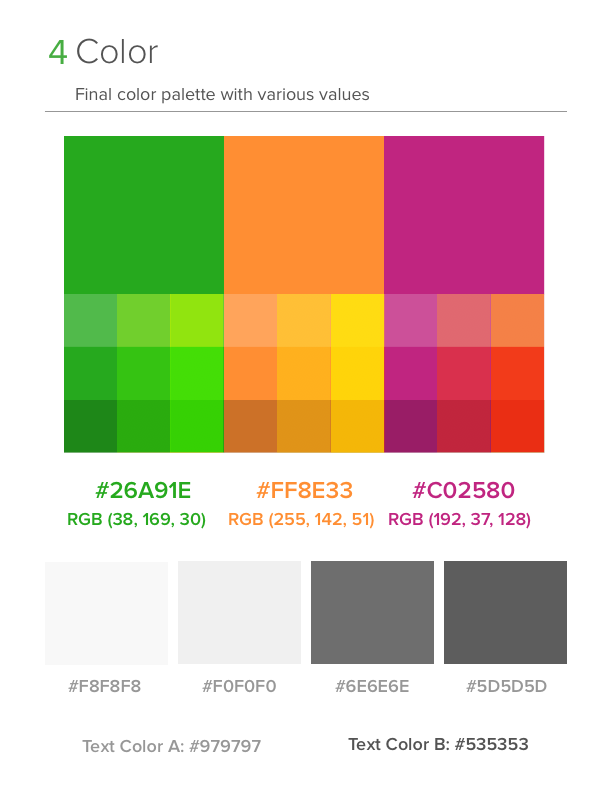
Digital design systems interest me in particular. Time invested in an extensible and scalable CSS or Javascript based library pays for itself during later development, and ensures replicability and frictionless developer operations. It also avoids constantly updating changelogs, documentation, or problematic miscommunication between design and development teams. I single-handedly wrote the digital design system for Ovation’s marketing and application codebases based on an existing set of design rules and logo uses I had developed. I later co-created a digital design system for an internal application at Liberty Mutual for use by colocated engineering teams.
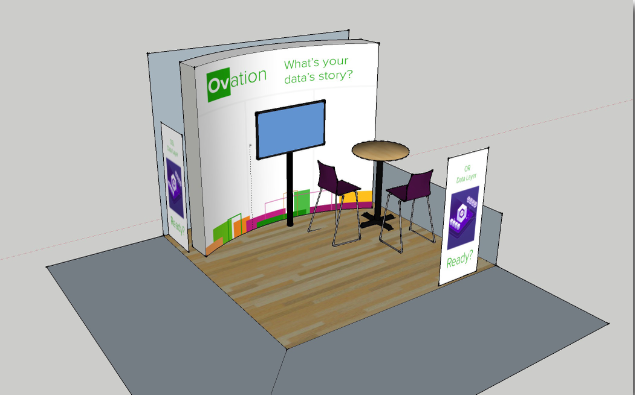

A brand imbued with intention extends beyond the screen to the printed page and into physical spaces. Merchandising and physical installations become significantly easier to conceive of and construct when founded on a thoughtful systems.
Plates